

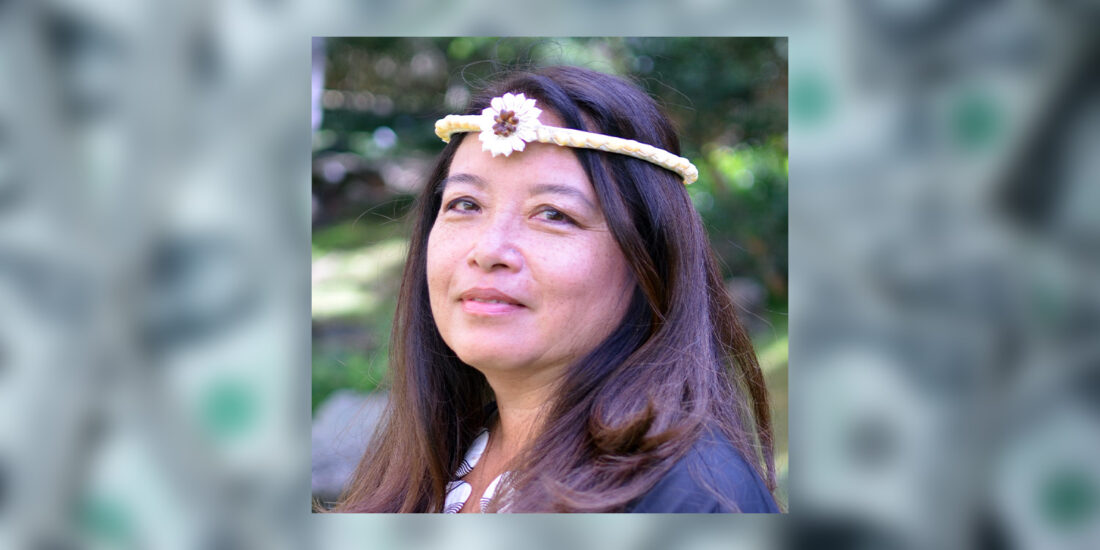
Dr Mary Therese Perez Hattori of the University of Hawai’i at Mānoa, United States, has joined The 11th IAFOR International Conference on Education (IICE2026) and The 6th IAFOR International Conference on Arts & Humanities (IICAH20206) panel for ‘Defunding Education: Challenges and Implications’.
Dr Halena Kapuni-Reynolds of the National Museum of the American Indian & Hawai'i Council for the Humanities, United States, and Ms Rosie Rowe of Leadership in Disabilities & Achievement of Hawai’i (LDAH), United States, have also been chosen to discuss this topic.
To participate in IICE/IICAH2026 as an audience member, please register for the conference via the conference website.
The panel presentation will also be available for IAFOR Members to view online. To find out more, please visit the IAFOR Membership page.
Speaker Biography
Dr Mary Therese Perez Hattori
University of Hawai’i at Mānoa, United States
 A Chamorro of the island of Guahan (Guam), Dr Hattori is one of nine children born to Fermina Leon Guerrero Perez and Paul Mitsuo Hattori, of the clan Familian Titang. She is the former director of the Pacific Islands Development Program, and now serves as affiliate graduate faculty with the University of Hawai'i at Mānoa and Chaminade University of Honolulu in the fields of educational leadership, educational technologies, Indigenous leadership, Indigenous research, and Pacific Islands studies. A resident in Hawai'i since 1983, she is an author, community organiser, poet, public speaker, and a consultant with a passion for empowering Pacific Islander communities through the arts, education, and technology.

Abstract
Defunding Education: Challenges and Implications
Since January 2025, the Trump administration has enacted a sweeping range of policy shifts through anti-DEI executive orders and the termination of existing funding commitments in many areas, including education, the arts, and the humanities. Members of this panel will share how their organisations have been negatively impacted by these policies, challenges they have faced, and implications for academia.
