

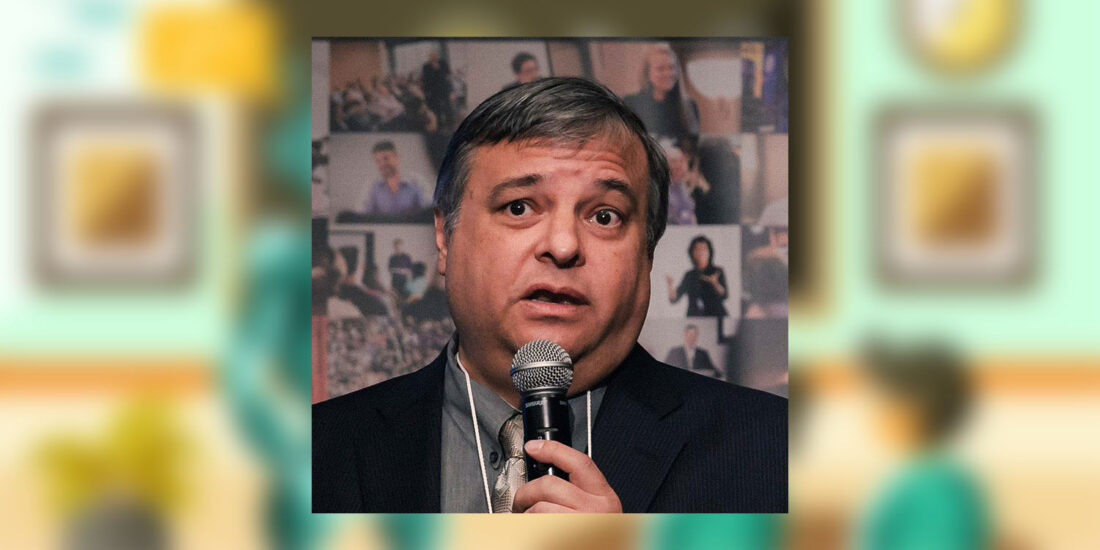
Professor Michael P. Menchaca of the University of Hawaiʻi at Mānoa, United States, will present ‘Higher Education in Crisis: Who’s Afraid of the AI Wolf?’ at The 12th IAFOR International Conference on Education in Hawaii (IICE2027) and The 7th IAFOR International Conference on Arts & Humanities in Hawaii (IICAH2027), to be held at The Hawai’i Convention Center & Ala Moana Hotel in Honolulu, Hawaii, United States, and online.
Dr Michael P. Menchaca is a retired professor and former Chair of the Department of Learning Design and Technology at the University of Hawaiʻi at Mānoa, specialising in artificial intelligence and distance education. His presentation will draw on more than 25 years of experience in technology-enhanced education to examine growing concerns about AI in higher education, exploring current research, ethical considerations, and workforce implications while offering practical recommendations for responsible use and ethical considerations for the use of AI in higher education.
This keynote presentation will be held both onsite in Honolulu and online via live-stream. To participate in IICAH2027 as an audience member, please register for the conference via the conference website.
The presentation will also be available for IAFOR Members to view online as part of their membership benefits. To find out more about becoming an IAFOR Member, please visit the IAFOR Membership page.
Speaker Biography
Professor Michael Menchaca
University of Hawai'i at Mānoa, United States
 Michael Menchaca is a retired professor and former chair of the Department of Learning Design and Technology at the University of Hawai'i at Mānoa, United States. He continues to teach as an adjunct and engage in academic research, specialising in artificial intelligence and distance education. For over 25 years, Dr Menchaca designed, implemented, and coordinated online and hybrid programmes and was an IT specialist for many years in both the public and private sectors. He currently serves as editor for the IAFOR Journal of Education: Technology in Education issue.

Higher Education in Crisis: Who’s Afraid of the AI Wolf?
Contemporary conversations about AI in higher education have transitioned from inevitable inclusion to anxious apprehension. Educators ask: Are students cheating? Are my assignments lacking? Has creativity become homogenised? How can we promote responsible use while simultaneously feeling deeply concerned? Ultimately, we might ask ourselves whether the protections we built around AI are made of straw rather than brick.
This presentation will address these concerns by:
- Providing an overview of current research trends, including questions, methods, frameworks, and conclusions;
- Discussing ethical guideposts and guardrails;
- Describing workforce implications; and
- Offering recommendations for moving forward.
Since we cannot rely on policy to make decisions for us, we all must decide our own path forward, acknowledging the reality of use while remaining committed to restraint.
